Scheduled and random patrols
Mixed schedule so visit times cannot be predicted on the ground.

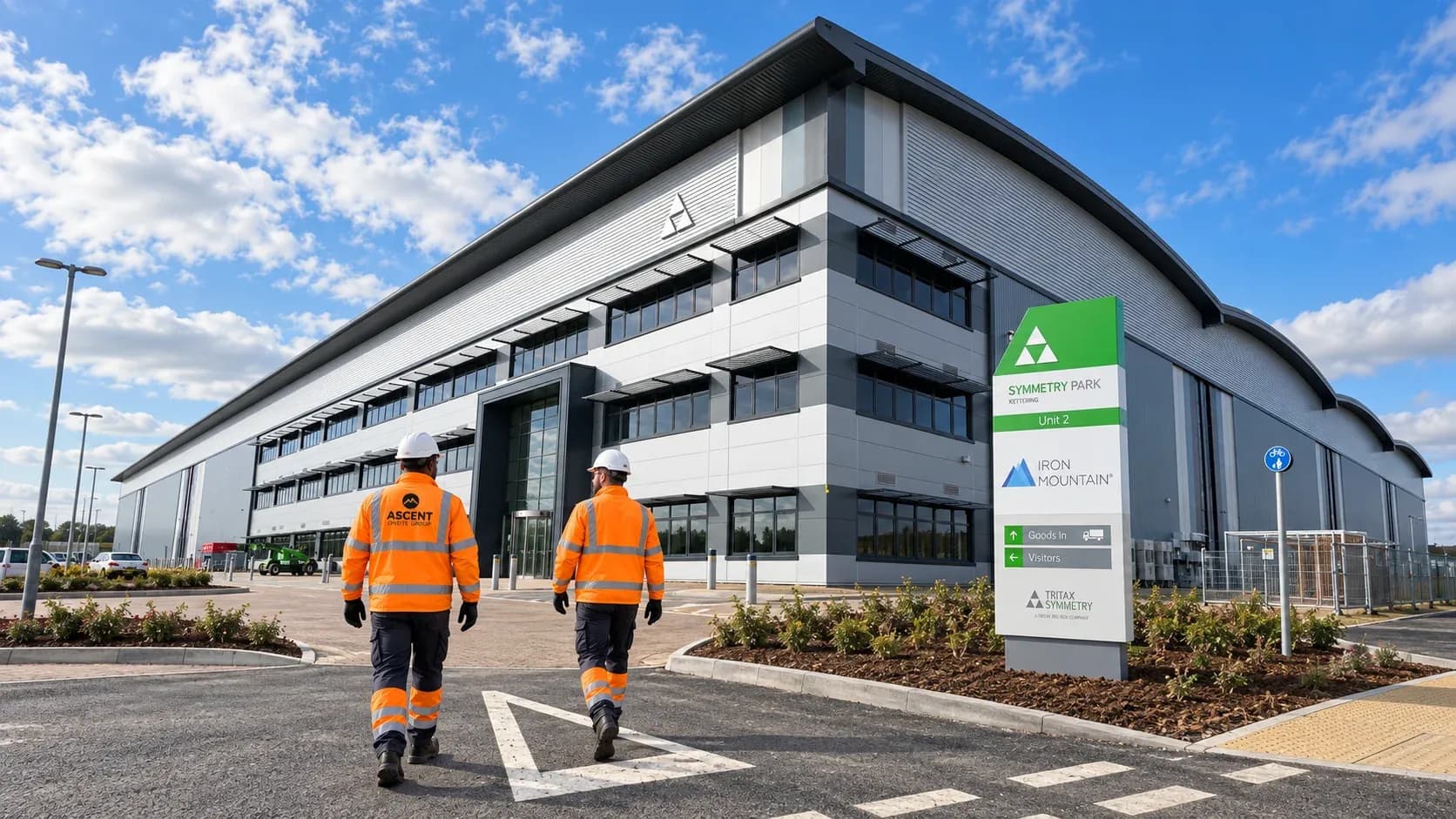
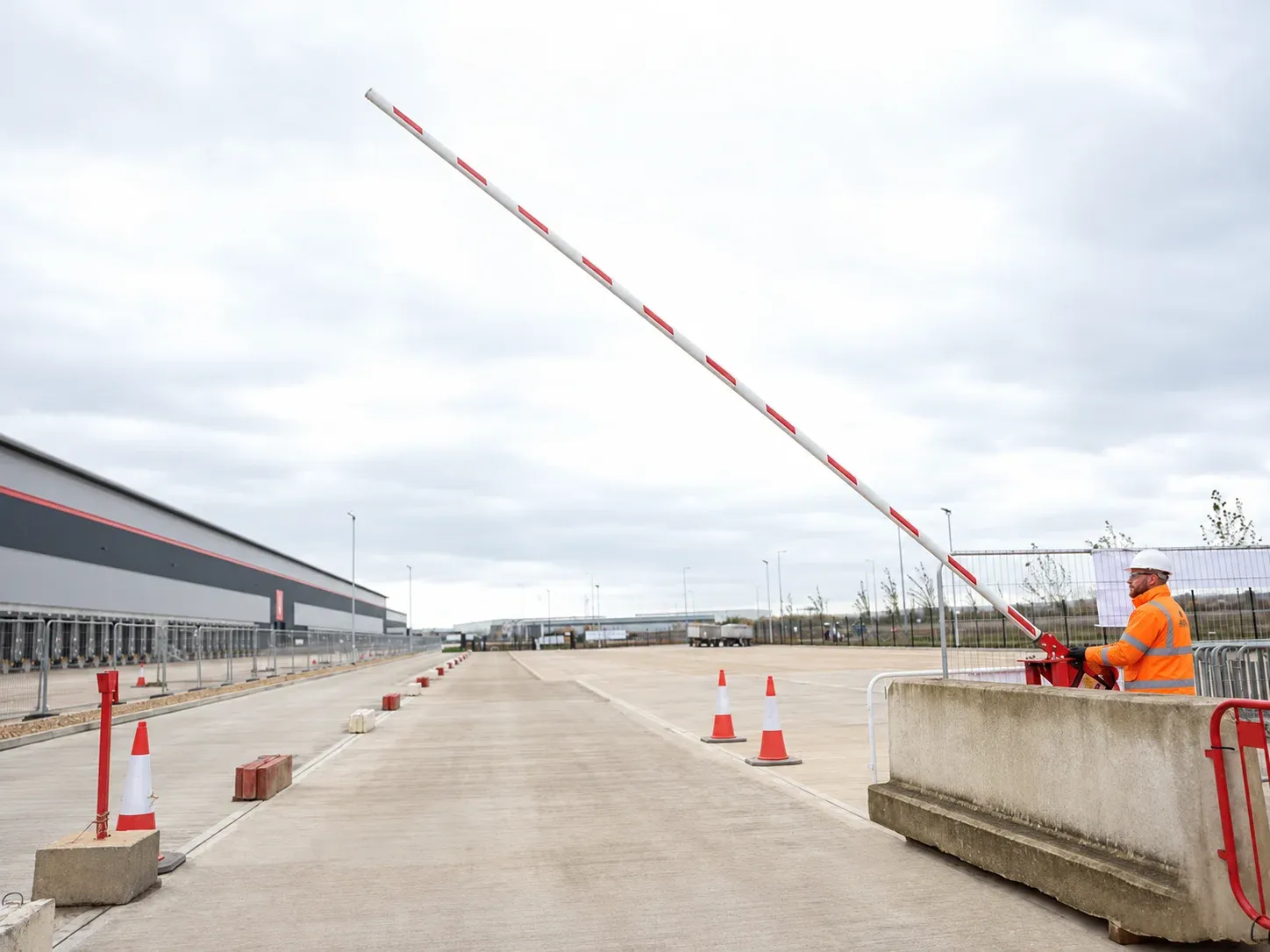
Scheduled and random patrols across multi-site portfolios, with marked vehicles, GPS-logged checkpoints and exception reporting inside the AOG weekly account review.
Mobile patrols sits inside the same AOG account as cleaning, FM and construction support. One project manager owns the contract. One control room holds the keys, the schedules and the camera feeds. One weekly report covers every officer hour, patrol and incident.
You take the service on its own, or alongside the rest of the security division. The covenant, the compliance ledger and the point of contact stay the same either way.
Mobile patrol cover for single sites and multi-site portfolios. Mixed scheduled and random visit patterns mean patrol times cannot be predicted, and every checkpoint scan is time-stamped to the second so the evidence is there when you need it.
Every line is delivered against written assignment instructions and reported into the AOG weekly review.
Mixed schedule so visit times cannot be predicted on the ground.
First-on, last-off cover for offices, schools, depots and retail units.
Liveried patrol vehicles, branded to the AOG security livery.
NFC or QR tag scans at each patrol point, time-stamped to the second.
Open doors, lights left on, vandalism — logged with photo evidence.
Mobile-only cover for sites that cannot justify a 24/7 static post.
GPS checkpoint data is auditable and defensible — every visit time and location on record
Mixed schedule prevents pattern recognition by opportunist intruders
Exception reports go into the weekly account review, not a separate inbox nobody reads
Marked vehicles provide deterrent value that a covert visit cannot replicate
Patrol routes can cover security, void and FM sites under the same contract
Scales from a single site to a multi-site estate without a separate patrol contract
Every visit is time-stamped at the gate, in the AOG audit trail.
A patrol visit covers a perimeter and building check, lock-up or open-up where contracted, and a GPS-logged checkpoint scan at each patrol point. Scheduled and random visit patterns are mixed on the same route so timing cannot be predicted from outside the site.
Patrol frequency is agreed to the risk and budget, from a single nightly visit to multiple visits across a 24-hour period. Frequencies can differ across a multi-site portfolio and are reviewed if the risk profile changes.
Yes. First-on, last-off lock-up and open-up is a standard part of the mobile patrol service for offices, schools, depots and retail units, with the handover time logged at each visit.
Each checkpoint is scanned by NFC or QR tag and time-stamped to the second, giving an auditable record of exactly when and where the officer attended. Any exception, such as an open door, lights left on or damage, is logged with photo evidence.
The officer logs the exception with photo evidence and escalates it according to the assignment instructions, which can include contacting a named client contact, dispatching further cover, or involving the police where the situation requires it. The finding goes into the weekly account review either way.
On many sites, yes, particularly where a 24/7 static post is not justified by the risk. Mobile patrol, marked vehicles and exception reporting can provide a visible deterrent and an audit trail at a lower cost than a permanent post. We will only recommend it where the risk assessment supports it.
Tell us the site, the hours and the risk. We will come back with assignment instructions and a quote.