
Office hygiene is a business control, not housekeeping. It affects staff absence, productivity, the impression you make on visitors, and the culture inside the building, and the difference between a clean office and a neglected one shows up directly in performance.
Excellent office hygiene matters in the UK because it reduces staff illness and absence, supports productivity, protects the impression you make on clients, and shapes workplace culture. It is one of the cheapest levers a business has for a healthier, more productive workforce, and one of the most visible when it is neglected.
It reduces illness and absence
Offices concentrate germs on the surfaces people touch most. Studies have repeatedly found that a typical office desk can harbour more bacteria than a toilet seat, largely because desks are cleaned far less often. Keyboards, phones, door handles, and shared kitchen surfaces are the routes infection travels. Targeting those touch points is the single most effective way to cut avoidable sick days.
It supports productivity and morale
People concentrate better in a clean, ordered environment. Clutter and grime are low-level distractions that quietly erode focus, while a well-kept workspace signals that the organisation takes its people seriously. Hygiene is not only about health, it is about the daily experience that either supports or undermines good work.
It protects your first impression
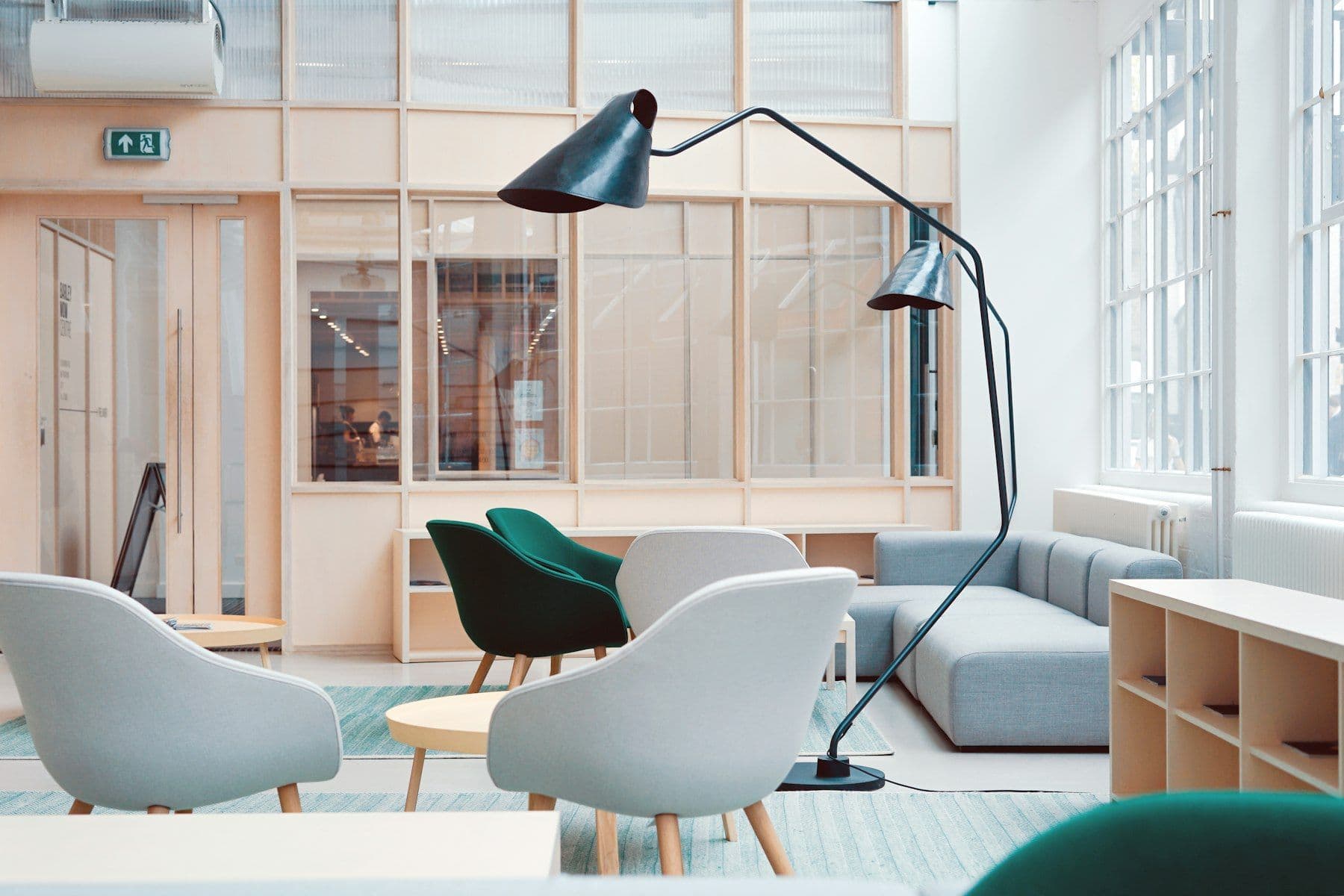
A visitor forms a judgement about your business within seconds of entering. The reception, the meeting rooms, and the washrooms speak before anyone does. A spotless entrance communicates competence and care, while a tired, dirty one quietly undermines everything you are about to say. For any client-facing office, cleanliness is part of the sales process.
It builds a considerate culture
How a workplace treats shared space reflects how it treats its people. Visible investment in hygiene, backed by a clear policy, sets an expectation that colleagues look after one another and the environment they share. That standard is easier to hold when leadership models it and a professional service maintains the baseline. Once a building has slipped, raising it again takes far more effort than keeping it there, so consistency is worth more than the occasional intensive push.
The washroom is the test everyone applies
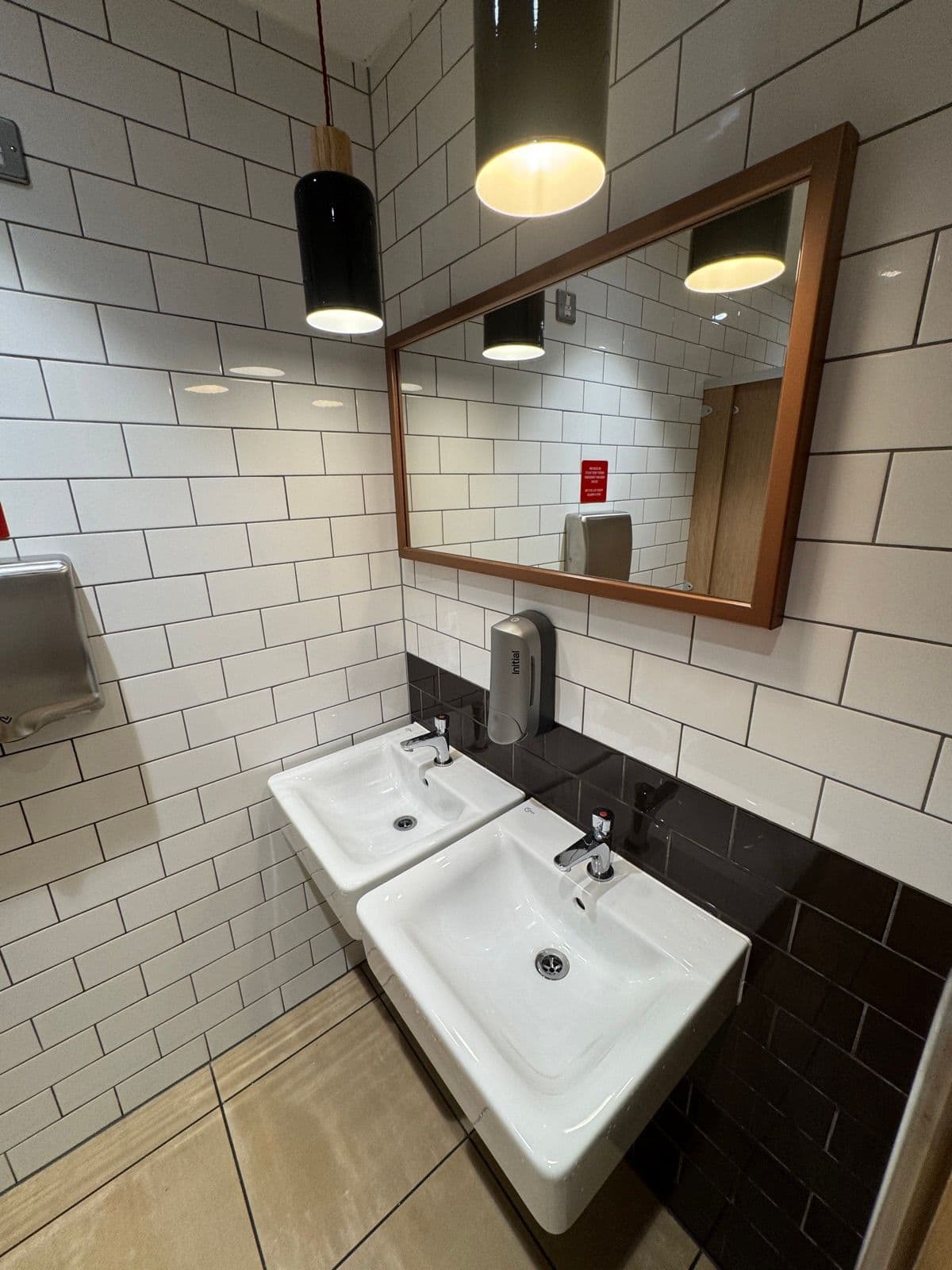
Staff and visitors quietly rate a business by the state of its washrooms, because they assume the parts they cannot see are treated the same way. A well-stocked, descaled, and frequently cleaned washroom is one of the clearest signals that hygiene is managed rather than left to chance, and it is one of the first areas a professional specification should nail down.
Practical steps that make the difference
- Engage a professional cleaning service that specifies touch-point and washroom cleaning, not just floors and bins.
- Keep soap, sanitiser, and paper towels stocked and easy to reach throughout the building.
- Set a written hygiene policy and communicate it to everyone.
- Have leadership model good practice rather than just mandate it.
- Support ventilation and natural light, and encourage regular desk decluttering.
Handled properly, office hygiene protects health, performance, reputation, and culture at the same time. AOG provides specialist office cleaning across the West Midlands and beyond, built around the touch points and shared spaces that actually drive workplace health.